Lux 2026 Exhibition Showcases UKDW Architecture Students’ Exploration of Light Through Architectural Photography
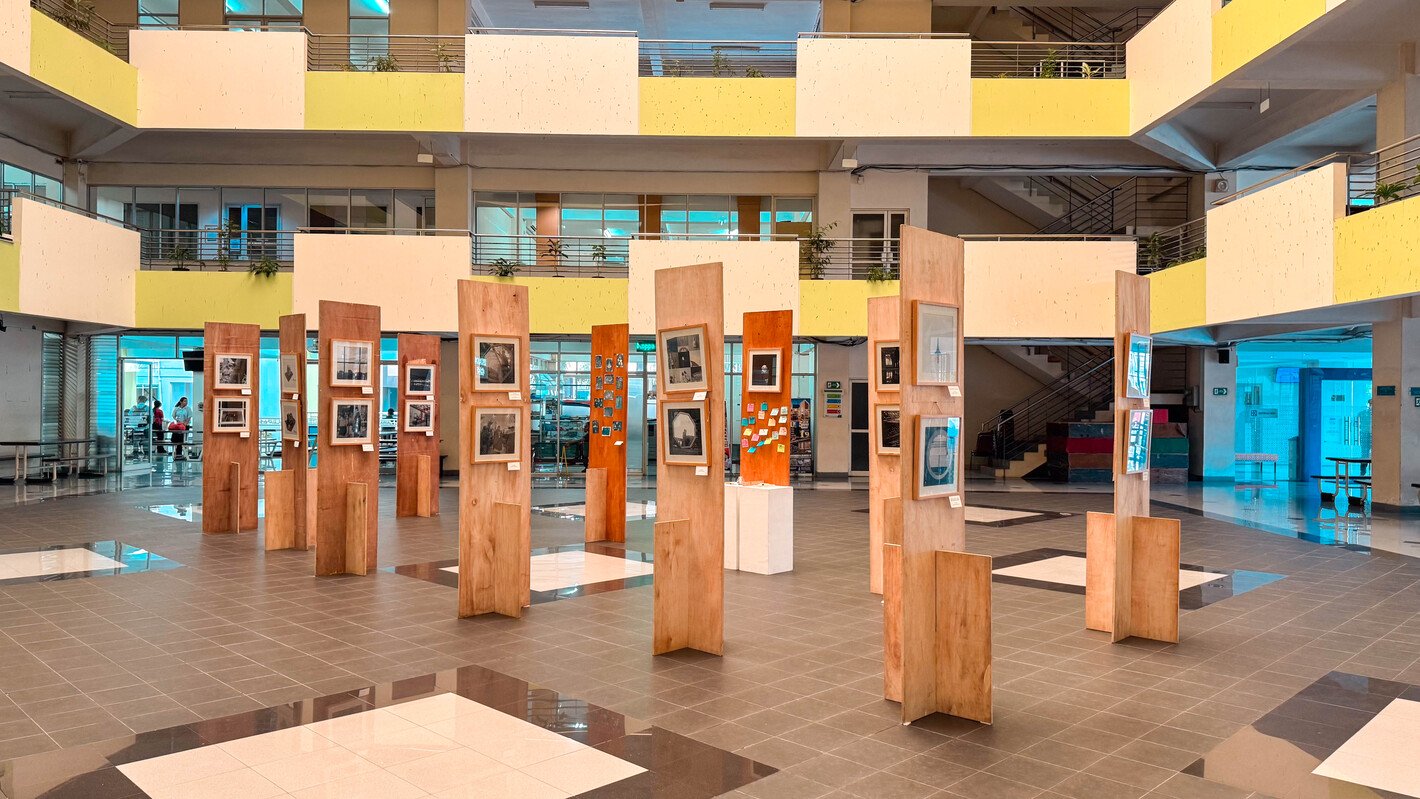
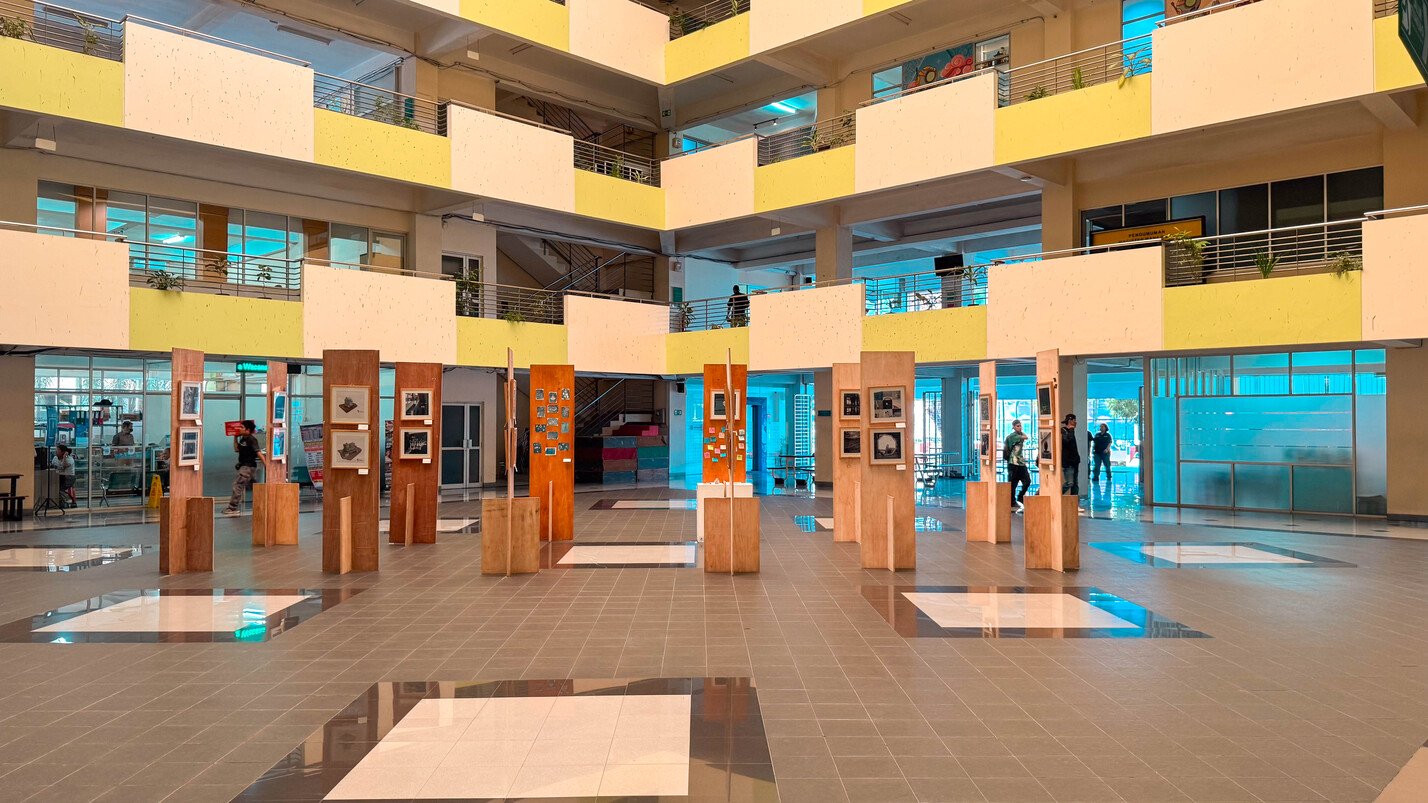
The Architecture Program at Universitas Kristen Duta Wacana (UKDW) Yogyakarta presented Lux 2026, an architectural photography exhibition held on June 4–5, 2026, at the Agape Atrium on the UKDW campus. The exhibition featured works by students enrolled in the Architectural Photography elective during the second semester of the 2025/2026 academic year, showcasing their exploration of the relationship between architecture, space, people, and light.
The theme Lux was chosen for its close connection to both architecture and photography. Derived from the Latin word for light, lux refers to natural light from the sun and sky. Likewise, the Greek root photo, from which the word photography originates, also means light. In architecture, light is fundamental to the way people perceive and experience space. It reveals form, defines spatial qualities, and shapes our understanding of the built environment.
Unlike traditional photography courses that primarily emphasize artistic expression, the Architectural Photography elective is designed as a supporting tool within architectural education. The course encourages students to observe, document, and analyze the built environment while developing visual references that inform the design process.
Students are encouraged to work with readily available tools, including smartphone cameras, rather than relying exclusively on professional equipment. This approach shifts the focus from technical perfection to observation and critical thinking, helping students develop a stronger point of view and a deeper awareness of architectural and spatial phenomena.
Throughout the course, students investigate a wide range of architectural subjects, from building aesthetics and public life to changing patterns of space use and adaptive reuse. They also learn aerial photography using drones to better understand the relationship between buildings and their surroundings, exploring how architecture responds to and interacts with its broader context.
In addition, students are introduced to photogrammetry, a technique that enables the precise digital documentation of physical objects and architectural elements. The method allows them to record and analyze details accurately, including ornamental features and three-dimensional forms, generating valuable reference material for design studios and future projects.
The course is structured around five key learning areas that deepen students’ understanding of architecture through visual observation. Beyond documenting buildings, students learn to capture human activity in public spaces, examine spatial transformation, and analyze the connections between architecture and its environmental context.
The exhibition’s focus on light echoes the well-known observation by Le Corbusier: “Architecture is the masterly, correct and magnificent play of masses brought together in light.” The statement highlights the idea that architecture extends beyond function, encompassing the thoughtful interplay of form, space, and light to create meaningful human experiences.
Dr. Ir. Mahatmanto, M.T., lecturer for the Architectural Photography course, expressed his hope that exhibitions such as Lux will continue to be held in the years ahead. He emphasized the important role exhibitions play in allowing students to share their work with both the academic community and the public.
“Exhibitions provide an important platform for students to present their work, build confidence, and develop professional communication skills,” he said.
Mahatmanto noted that the limited exhibition period remains one of the primary challenges in organizing the event. Looking ahead, he hopes future editions can be held alongside UKDW’s Academic Orientation Program (OKA), providing broader visibility for student work while introducing prospective students and visitors to the learning experiences offered by the Architecture Study Program.
Through Lux 2026, UKDW continues to foster creative and critical engagement with architecture while encouraging innovative approaches to observing, documenting, and interpreting the built environment. The exhibition demonstrates how photography can serve not only as a creative medium but also as a valuable tool for architectural inquiry and design exploration.
By moses | Ed. (ENG): drr