UKDW Biotechnology Strengthens Water Conservation and Lake Ecosystem Protection
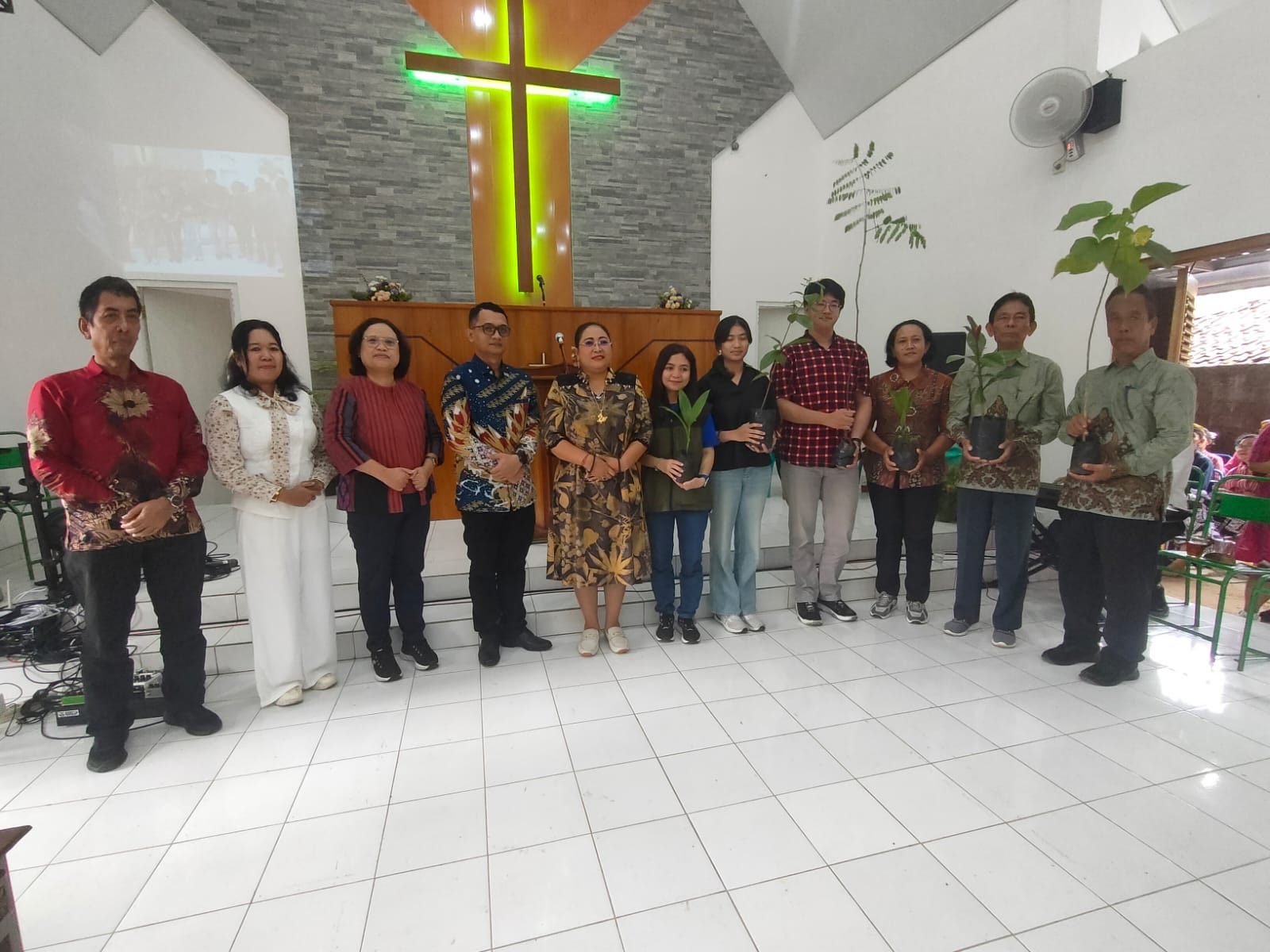
The Faculty of Biotechnology at Universitas Kristen Duta Wacana (UKDW) is strengthening its role in environmental conservation by leading a cross-institutional collaboration to safeguard the long-term sustainability of Lake Bamban in Bantalwatu Village, Tepus Subdistrict, Gunungkidul. The initiative responds to growing threats of drought, declining water storage capacity, and shifting patterns of lake use as residents increasingly rely on piped water from the regional water utility (PDAM) and face broader environmental changes.
For the people of Gunungkidul, lakes serve a vital function—not only as water sources but also as ecological buffers, sources of livelihood, and expressions of cultural identity. Amid the pressures of climate change, groundwater extraction, and shrinking vegetation cover, lake ecosystems are becoming increasingly vulnerable.
As an academic institution focused on biotechnology and sustainability, UKDW is at the forefront through its program “Water Conservation Action and Community Economic Development.” The initiative is carried out in partnership with Gereja Kristen Jawa (GKJ) Klasis Gunungkidul as well as the Yogyakarta Environmental and Forestry Agency, the Yogyakarta Marine and Fisheries Agency, and the Djarum Foundation.
Dr. Aniek Prasetyaningsih, M.Si., the program lead from UKDW, explained that the initiative integrates scientific research, community education, and economic empowerment. “Our goal is to restore the lake’s ecological health and functions through reforestation and community-based management, while creating economic and tourism benefits rooted in conservation,” she said.
Running from November to December 2025, the program includes planting native conservation species and fruit trees, releasing fish fingerlings, and providing training on ecotheology, community-based conservation, ecotourism potential, and strengthening local economies.
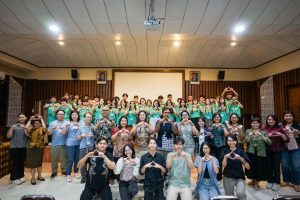
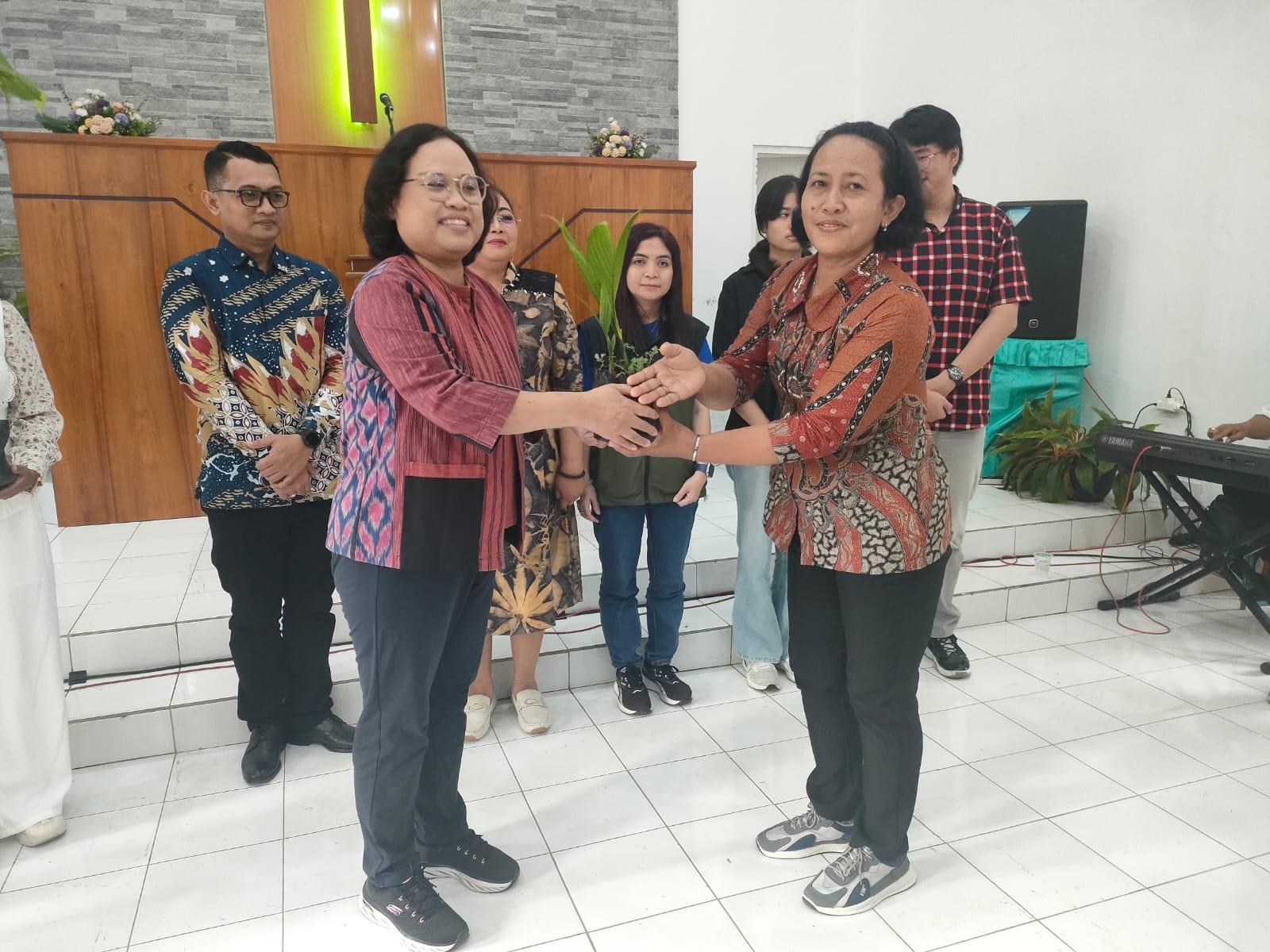
The culminating event was held on November 22, 2025, in conjunction with the 56th anniversary of GKJ Klasis Gunungkidul. Activities began with a joint worship service, followed by the handover of tree saplings and fish fingerlings by Gunungkidul Regent Endah Subekti Kuntariningsih and the Dean of Faculty of Biotechnology, Dr. Charis Amarantini. More than 400 participants—including students from UKDW and the Universitas Terbuka—helped plant thousands of native tree species for conservation and release tawes (Barbonymus gonionotus) fingerlings into the lake area.
In her remarks, the Regent expressed appreciation for UKDW’s leadership as the driving force behind the collaborative conservation effort. The local government, she affirmed, is committed to supporting the initiative through policies that strengthen environmental protection and community economic development.
UKDW considers this program not only a community service initiative but also a research-based model for applying biotechnology and ecology that can be replicated in other karst regions. Findings and monitoring conducted by the UKDW team are expected to guide long-term decision-making on water conservation and lake ecosystem rehabilitation.
This collaboration is expected to become a model of effective multi-stakeholder partnership—bringing together government, academia, the church, local communities, and the private sector—to address the challenges of climate change and water scarcity. With UKDW’s active involvement, the program aims to serve as a holistic conservation model integrating scientific knowledge, community action, and local economic empowerment.
W-ID: UKDW Faculty of Biotechnology Conservation Service Team | Ed. (ENG): drr