Strategic Collaboration Between UKDW and ISI to Shape the Future of Design Education in Indonesia

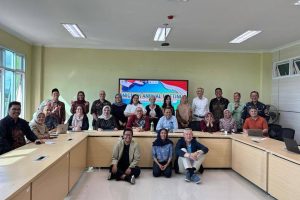
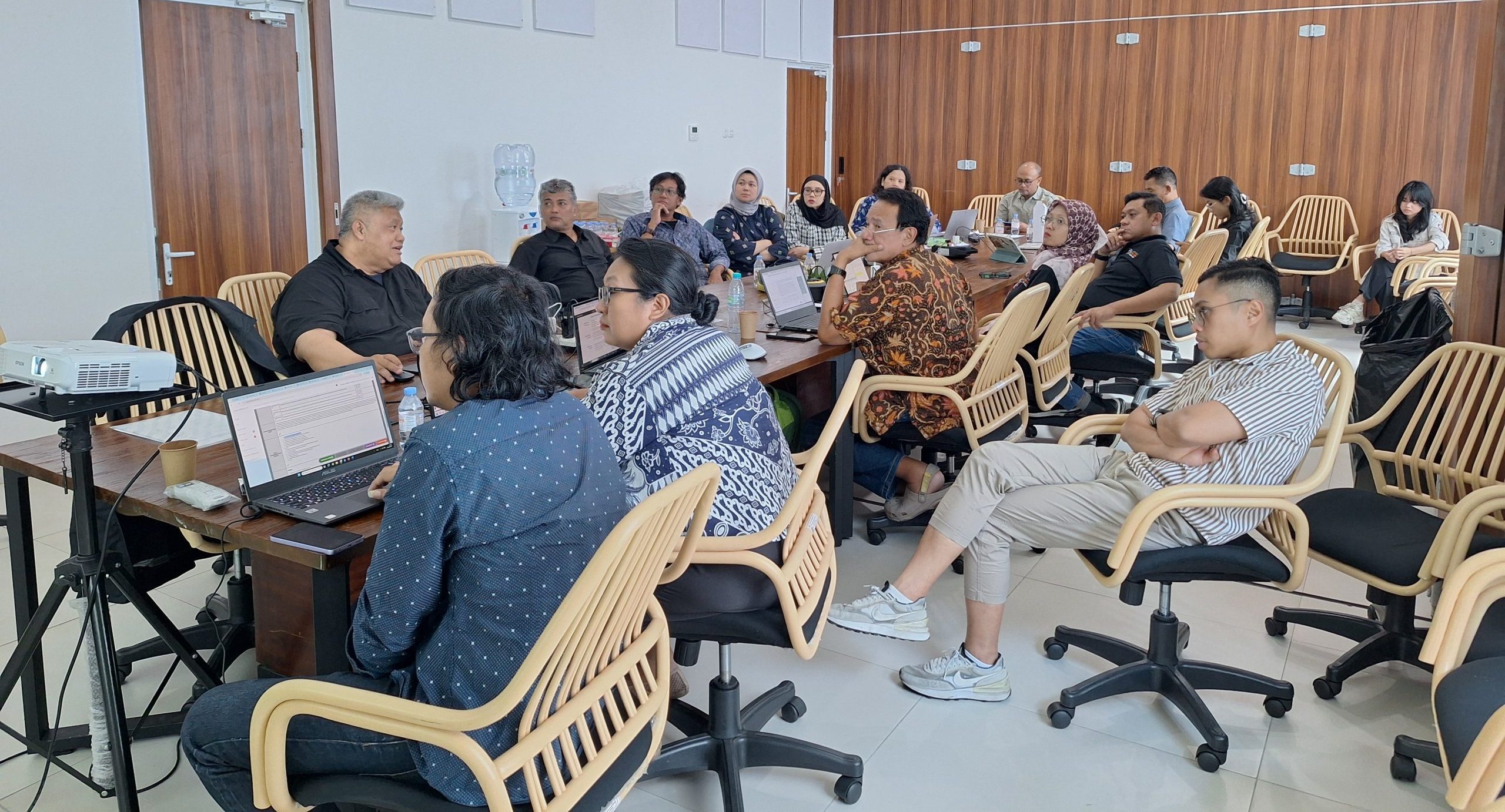
Universitas Kristen Duta Wacana (UKDW) and the Indonesian Institute of the Arts (ISI) Yogyakarta co-hosted the National Convention of Design Study Programs in Indonesia, held at the National Industrial Design Center (PDIN), Yogyakarta, on Saturday (August 16). The event was initiated by the Indonesian Forum of Industrial Product Design Study Programs (FPSDPII) and brought together two major associations in design education: the Indonesian Association of Interior Design Study Programs (APSDII) and the Indonesian Association of Visual Communication Design Study Programs (APSDKVI). The convention was also supported by the Jogja–Central Java chapter of the Indonesian Industrial Product Designers Alliance (ADPII).
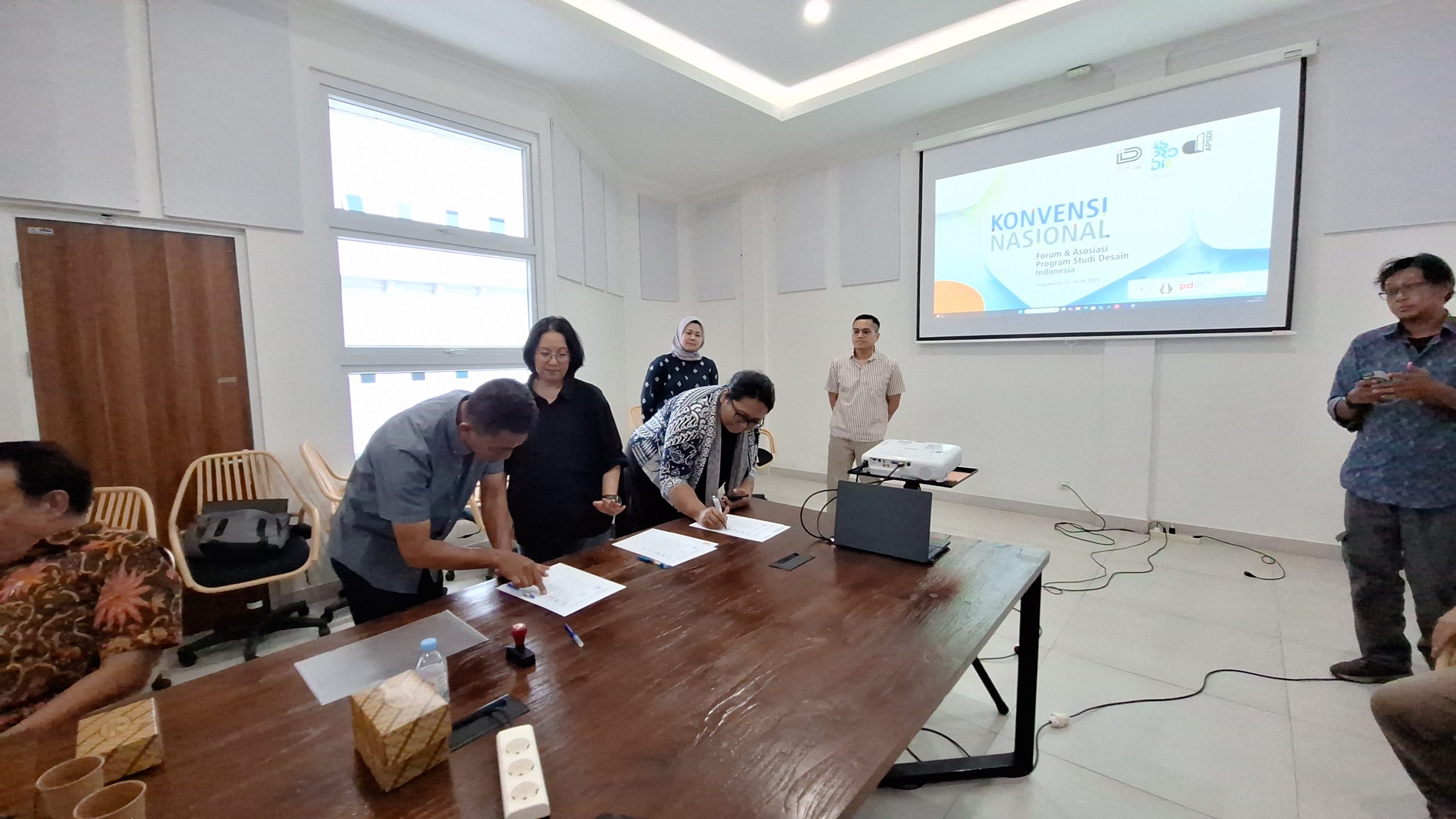
The convention gathered leaders and expert councils from these forums and associations to establish strategic agreements that will serve as a foundation for the advancement of design education in Indonesia. A key outcome was the signing of a memorandum of understanding on the core competencies of design graduates in Indonesia, an essential component in preparing for the establishment of the Independent Accreditation Board for Design, Planning, Environment, and Architecture (LAM DEPILAR).
Chair of FPSDPII, Dr. Guguh Sujatmiko, stressed that design education must be grounded in studio-based learning, history, theory, critique, socio-cultural perspectives, and technology, with human-centered problem-solving at its core.
“Technology should be positioned as a tool, not the ultimate goal,” he emphasized.
The agreed core competencies for design graduates include the ability to design, conduct research, understand design theory, master production processes, practice professionally, collaborate across disciplines, communicate effectively, and continuously learn from experiences outside the classroom. In addition, the forum reaffirmed that design education in Indonesia must be rooted in environmental sustainability and respect for cultural diversity. Meanwhile, issues related to emerging technologies were not formalized as shared standards, given their dynamic and rapidly evolving nature.
Head of UKDW’s Product Design Program, Winta T. Satwikasanti, highlighted the significance of this milestone for collaboration among design schools in Indonesia.
“This agreement marks an important step for stronger collaboration among design institutions nationwide. Graduates are now expected not only to master technical skills but also to develop social sensitivity and cultural awareness. This creates opportunities for us to push curricula that are more contextual, adaptive, and human-centered,” she explained.
Attended by representatives from 17 forums and design program associations, the convention reaffirmed that the orientation of design education in Indonesia will increasingly adopt user-centered design principles—focusing on human needs while ensuring environmental sustainability. Through this event, UKDW and ISI further strengthened Yogyakarta’s position as a hub for national design education, bridging the interests of academia, industry practitioners, and society at large. [drr]