Empowering People with Disabilities in Sedayu, UKDW Delivers Eco-Enzyme Training
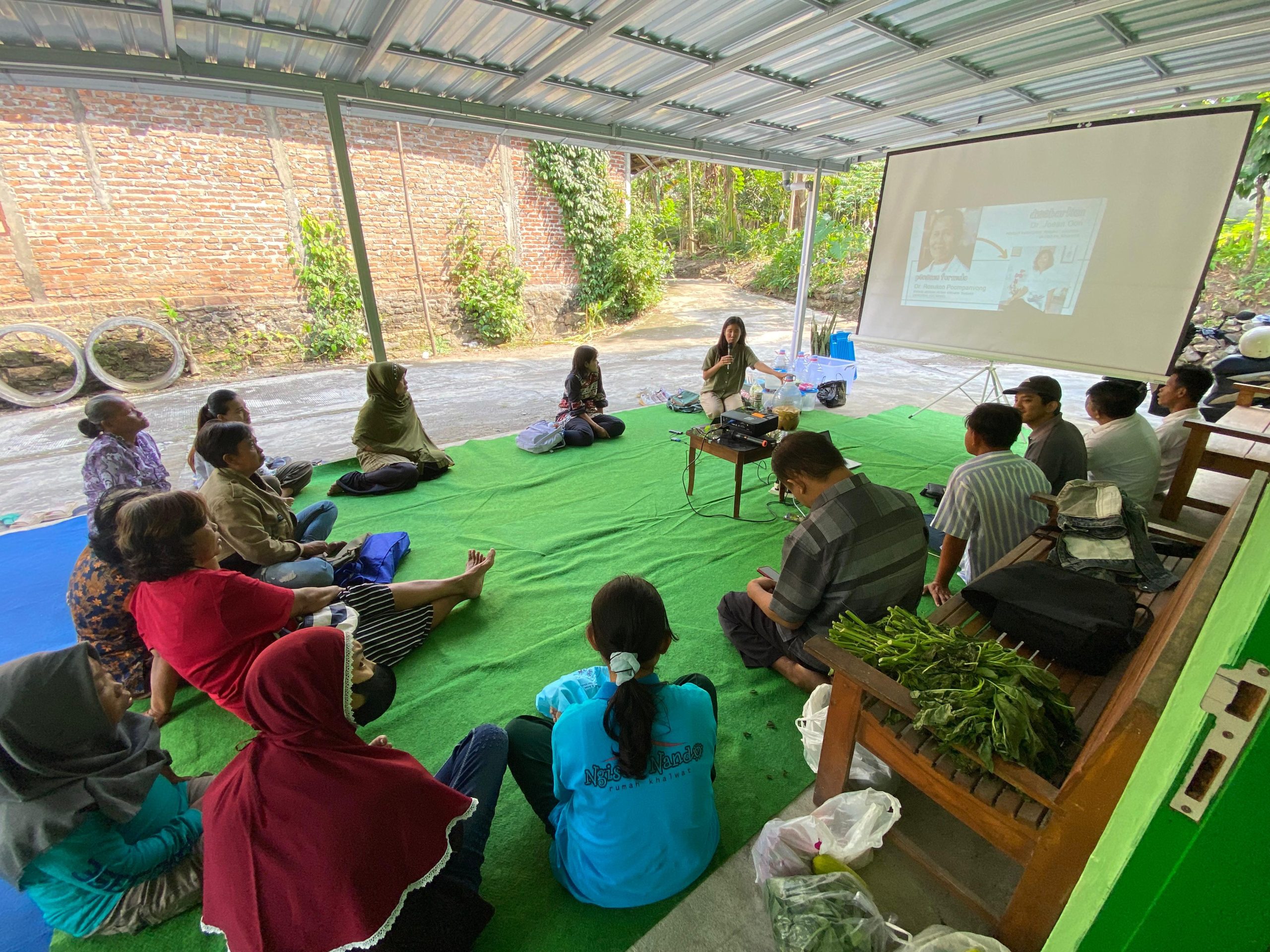
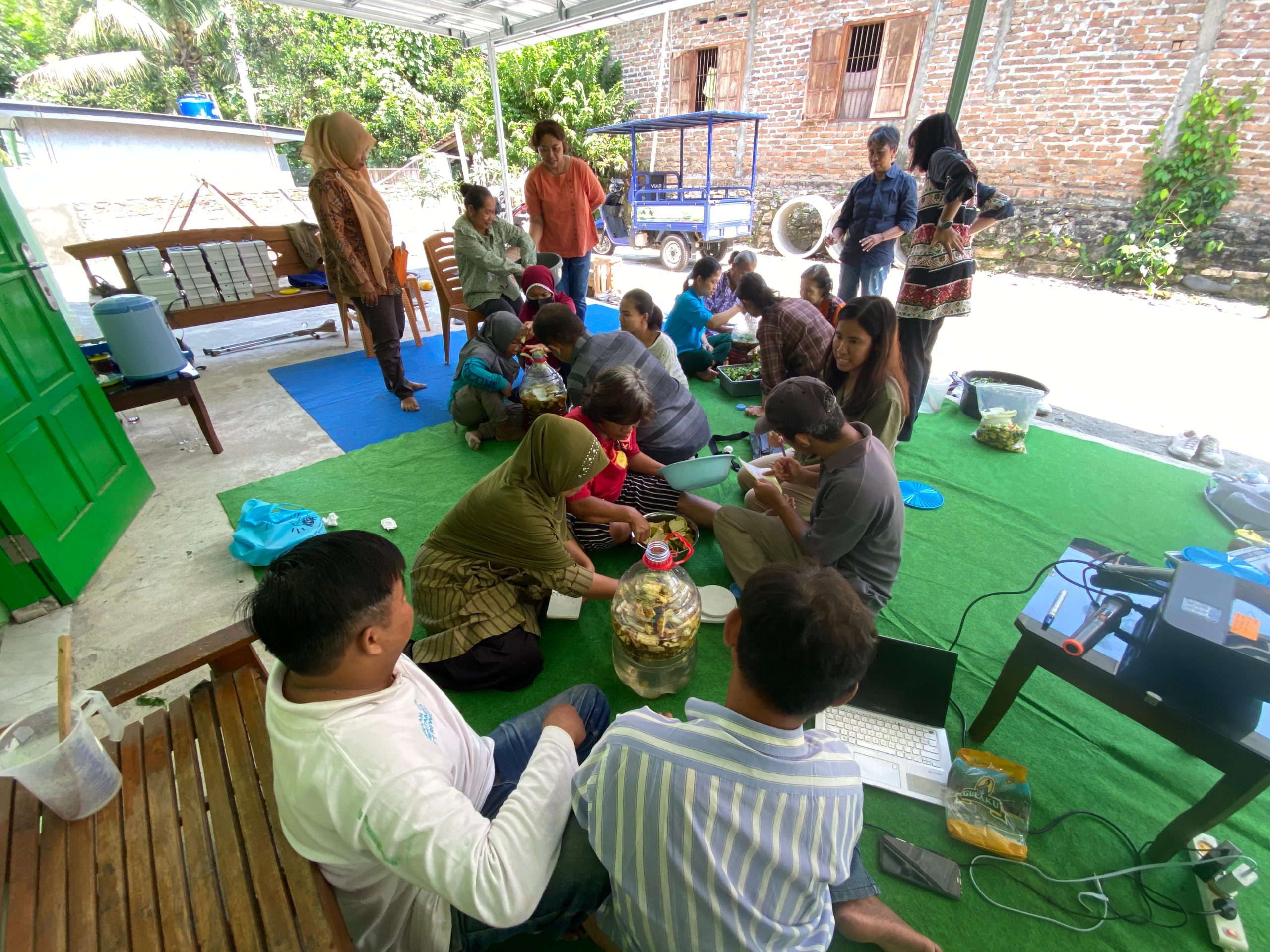
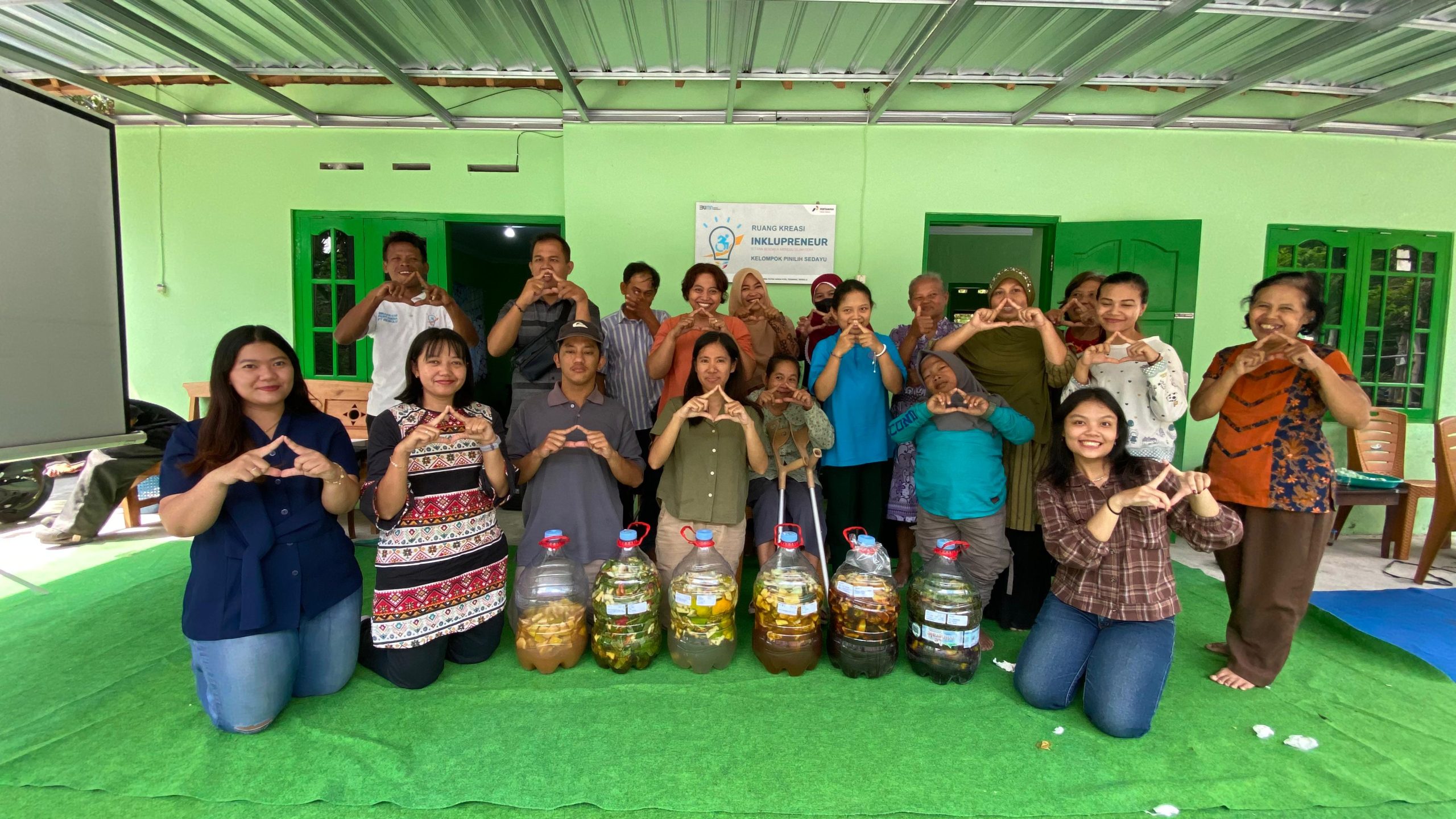
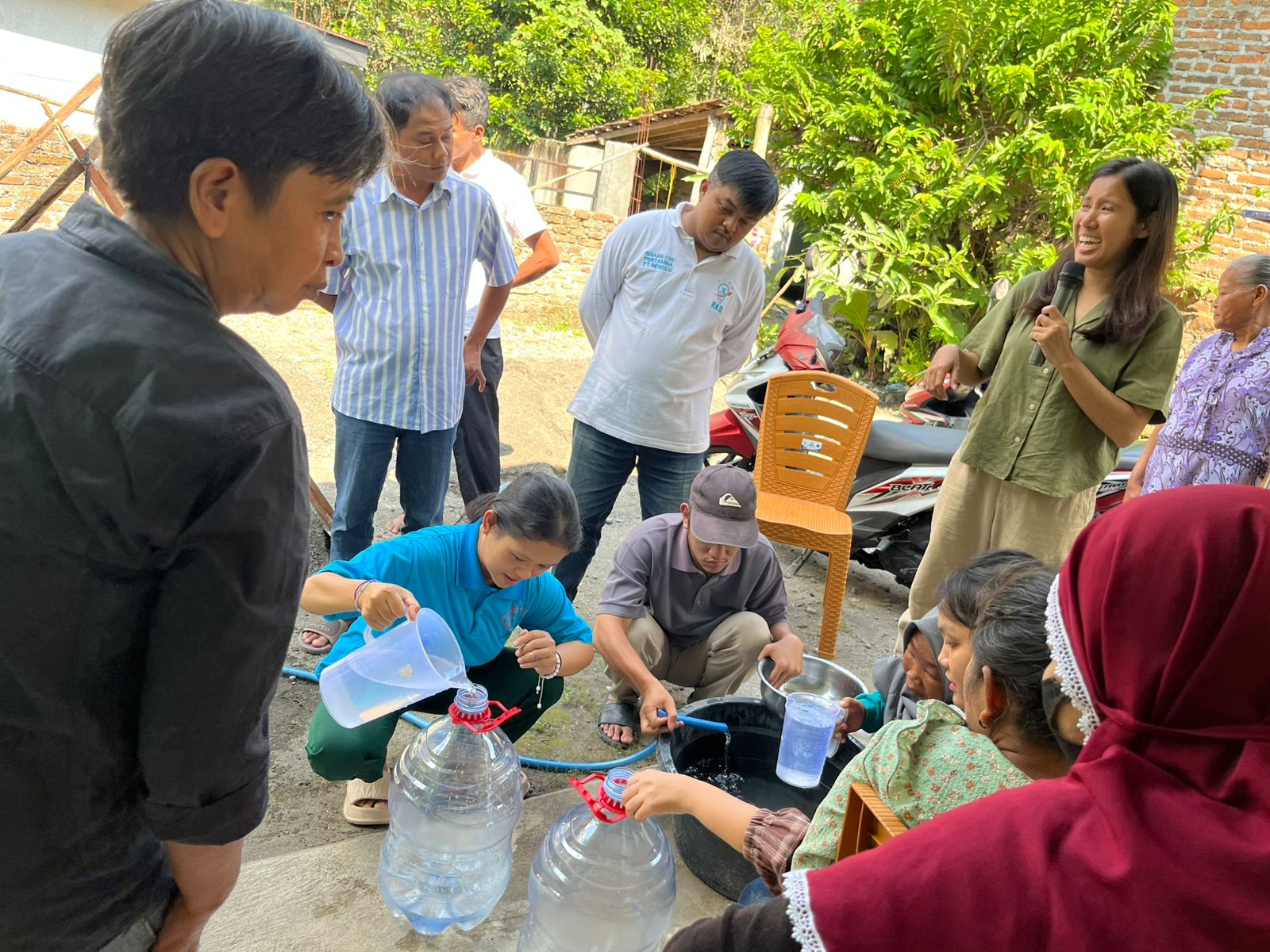
Universitas Kristen Duta Wacana (UKDW) conducted an eco-enzyme production training for people with disabilities in Sedayu, Bantul, on July 18, 2025. The initiative, supported by a grant from the United Board for Christian Higher Education in Asia, is part of UKDW’s community engagement program led by a team of lecturers and students.
Focusing on environmental sustainability and community empowerment, the program aims to equip marginalized groups with practical skills while addressing the issue of organic waste management in a sustainable and inclusive manner.
Held at Rumah Produksi Pinilih Sedayu, the training was attended by 21 participants from several villages in the Sedayu sub-district, including Argosari, Argomulyo, Argodadi, and Sumberrahayu.
Dr. Laurentia Henrieta Permita Sari P., a lecturer from UKDW’s Faculty of Biotechnology, emphasized that the training goes beyond technical skill-building. “This is about creating inclusive and productive spaces that empower people of all backgrounds. Organic waste is not just trash—it’s a resource with economic potential, especially for groups that are often excluded from productive activities,” she said.
The training featured two core sessions: an introduction to the concept and daily uses of eco-enzyme—as a natural cleaner, liquid fertilizer, and pest repellent—and a hands-on workshop. Participants were guided through each step of the process, from preparing tools and sorting kitchen waste to fermentation and labeling.
UKDW students played a key role in facilitating the workshop, assisting participants and fostering an inclusive learning environment. The collaborative setup strengthened a sense of community ownership and shared purpose.
Maria Tri Suhartini, Chair of the Pinilih Forum for Families of Persons with Disabilities in Sedayu, welcomed the initiative. “Environmental stewardship is a core value of our community. This training helps raise awareness and encourages sustainable organic waste practices among our members and the broader public,” she said.
In addition to the training, the UKDW team also conducted a needs assessment to inform future programs. Plans include workshops on derivative eco-enzyme products such as natural soaps, entrepreneurship training, and marketing strategies for eco-friendly goods.
A follow-up session is scheduled for August, led by Dwi Aditiyarini, S.Si., M.Biotech., M.Sc., focusing on soap-making using eco-enzyme as a base ingredient.
With its contextual and viable approach, the program seeks to integrate environmental and social dimensions, enabling people with disabilities to gain practical skills and actively participate in a more inclusive and sustainable local economy. [drr]